Grades 6–12

Build with AI. Ship it. Then make it better.

AI Innovation Academy runs small groups the way a tech company runs a team. Students pick a real problem, build something people can actually use, and keep sharpening it. Every module ends with something that exists.

4–8 students per class · first class free

Why us

Knows the technology, and knows how to teach

Robert has been an engineer at Silicon Valley technology companies and at Amazon. AI changes direction faster than any curriculum follows, so he tracks it himself, and students learn what practitioners are using this year. The teaching shows too — these are what his teams have won.

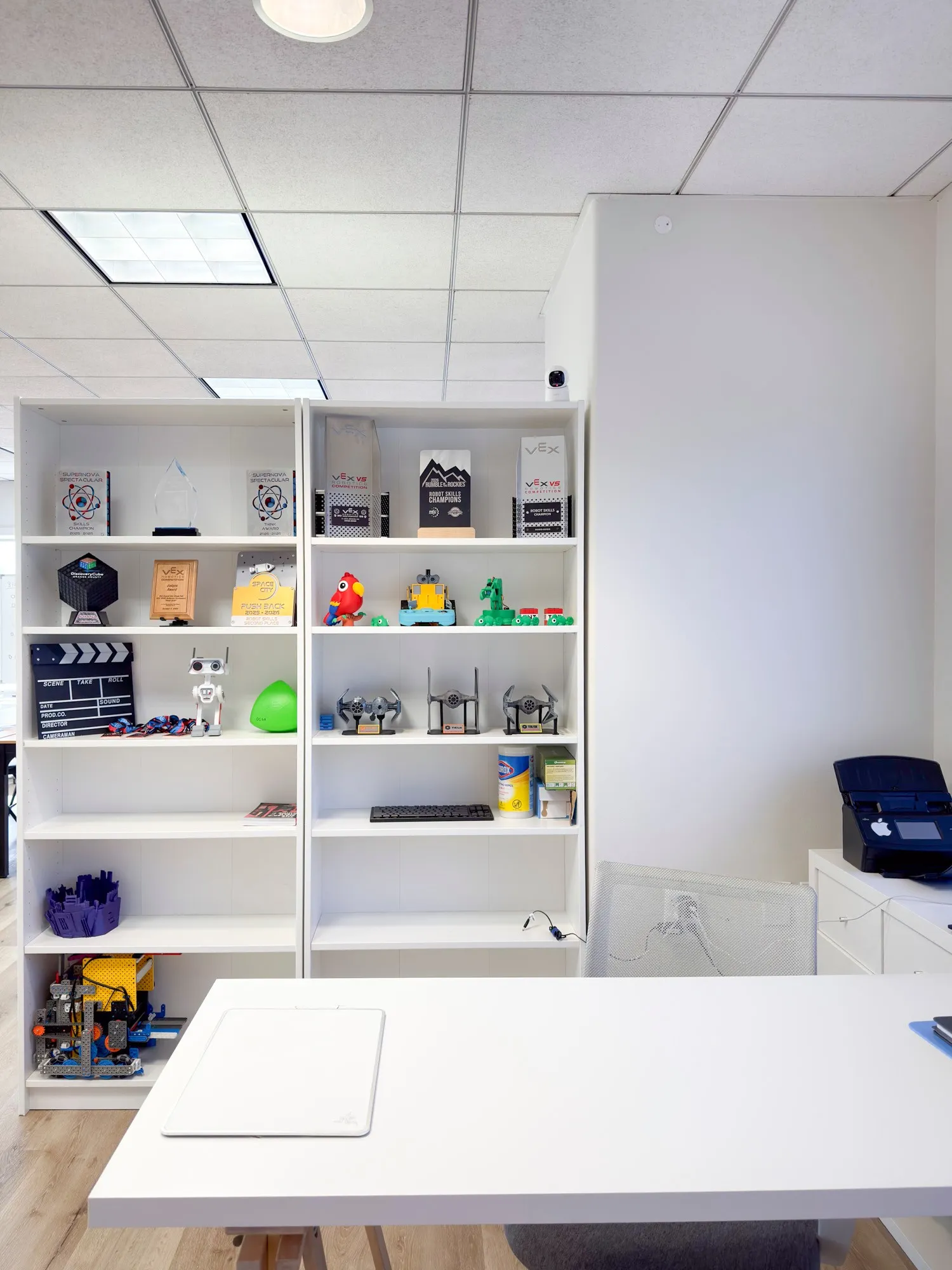
Our team, 24580A Inferno · 2025–26 season

  • Excellence Award, California Region 4 Middle School Championship
  • Amaze Award, VEX Robotics World Championship
  • Skills Champion, VEX Signature Event

Every level ends in something built

It starts with the basics of using AI well, moves on to things people can open — a website, an app, a working prototype — and ends in a full-scale innovation project. Each level leaves a student holding one more finished thing.

A fixed time, a quiet room, people beside them

A set weekly session. A space built for working. And a few peers at a similar stage, keeping an eye on each other and pushing each other along. Those three together get a student to sit down on their own.

Real projects, and skills that keep paying

Finding a problem worth solving, working through several ways at it, then building the thing and getting it running — all of it as a team. What comes out is application material that is theirs alone. What stays is the ability to break a problem apart, work with people, and finish: still in use in college, in a first job, and in whatever they start themselves.

What students learn

Three modules in sequence: get solid on using AI, then build something that ships, then take on a full-scale innovation project. Each one also stands on its own — a student with the groundwork can start at the level that fits, or take a single module by itself.

AI Literacy

Using AI well, on work they already have. Prompting, Claude Projects, and Claude Code applied to studying, planning, and keeping track of their own week.

Walks out withA working system for running their own schoolwork

Application Development

Web first, then mobile. Idea to deployed product, end to end — design, build, test, put it online where anyone can open it.

Walks out withA live site or app with their name on it

Innovation Project

Students are recruited onto a team with real delivery goals, genuine technical difficulty, and an audience. It runs for months.

Walks out withA product that outlives the class

More modules are in development. The ladder keeps going.

He used to spend the entire weekend on Roblox. Now he is the one texting his partner to meet up, rework the prototype, and practice their pitch for a startup competition. We did not see that coming.

— Parent of a student

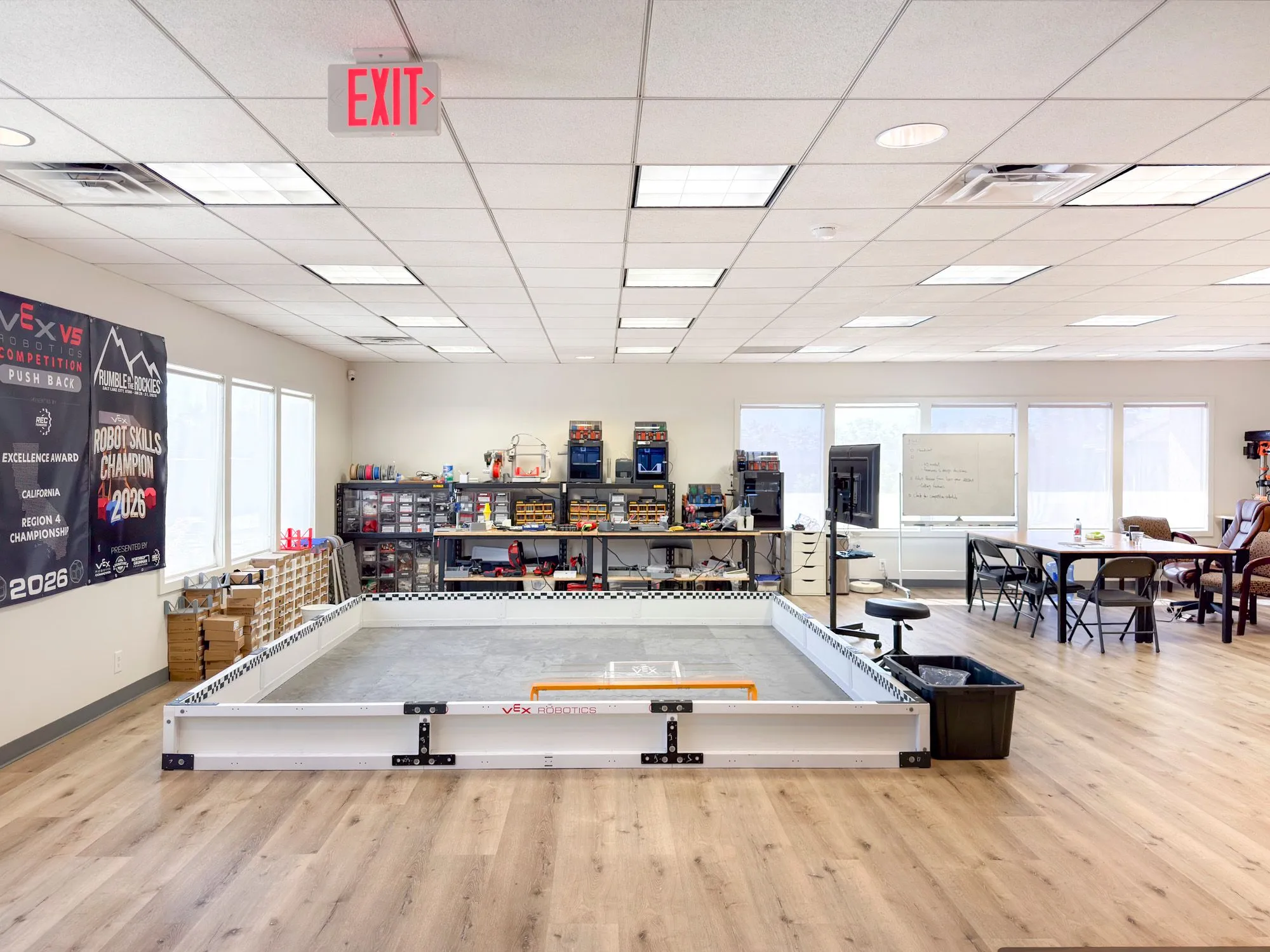
The lab

Our lab in Tustin, where sessions run.
The display shelf in the lab.

Who teaches

Robert Wayne

Robert Wayne

Instructor · Founder, AI & Robotics Youth Foundation

Fudan University. Engineer at Silicon Valley technology companies and at Amazon.

Coached ARYF's VEX team 24580A through the 2025–26 season.

Father of a ninth grader, which is most of why this program exists.

How it works

Small on purpose. Your child can take a full session before you commit to anything.

  • AgesGrades 6–12
  • Class size4–8 students
  • First classFree.
  • WhereOur lab in Tustin, California
  • DiscountsEarly-bird for the fall season; groups signing up together
  • Schedule & tuitionCohorts forming now — ask and we will send both

Common questions

Does my child need to know how to code?

Module 01 assumes only that they can use a laptop. Module 02 starts from zero and ends with a deployed application. Students who already code start further along and get harder problems.

What will they actually have at the end?

Something you can open. A live site, a working app, a prototype people can try. Each module ends in an artifact — that is what the module structure is for.

How is this different from time they already spend on a screen?

There is a specific thing to build, a partner waiting on them, and an adult in the room. The change parents report most often is their kid starting work on a weekend without being asked.

What does it cost?

Cohorts are forming now, so tuition and schedule go out on request. The first class is free.

Is the lab supervised?

Yes. Sessions are instructor-led at our Tustin facility. Students sign in and out, and there are written lab use rules and tool safety rules every student agrees to before working with equipment.

Come see a session.

Sign your child up for a free first class.

Message us on WeChat or by email and we will find a time this month.

Scan to message us
WeChat · Scan to message us